


When money gets tight, your home can feel like your biggest safety net. And in many ways, it is. But borrowing against your home during a crisis isn’t a decision you should rush into.
If you’re thinking about tapping into your home’s equity to stay afloat, here’s what you need to know before you sign anything.

Why People Borrow Against Their Homes in Tough Times
Let’s be honest, financial emergencies don’t wait until you’re ready.
From sudden medical bills to job loss or rising living costs, many homeowners turn to their property as a source of quick cash. The logic is simple: if you’ve built equity in your home, why not use it?
Common reasons include:
- Covering emergency expenses
- Paying off high-interest debt
- Funding essential repairs
- Keeping up with bills during income loss
It can feel like a lifeline and sometimes, it truly is. But there’s more to the story.
What Does “Borrowing Against Your Home” Really Mean?
Borrowing against your home means using your property as collateral to access funds. The most common options are:
1. Home Equity Loan
You receive a lump sum and repay it over time with fixed payments.
2. Home Equity Line of Credit (HELOC)
This works more like a credit card you can borrow as needed, up to a limit.
3. Cash-Out Refinance
You replace your current mortgage with a larger one and take the difference in cash.
Each option has its pros and cons, but they all share one major thing in common: your home is on the line.
The Biggest Risks You Can’t Ignore
Before you move forward, it’s important to understand what’s at stake.
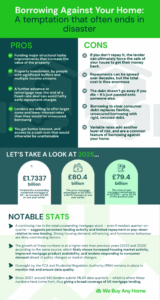
1. You Could Lose Your Home
If you can’t repay the loan, the lender has the right to foreclose. During a crisis, that risk becomes even more real.
2. You’re Turning Unsecured Debt Into Secured Debt
Using your home to pay off credit cards or personal loans may lower your interest rate but it increases the consequences of default.
3. Fees and Hidden Costs Add Up
Appraisal fees, closing costs, and interest can quietly eat into the amount you actually receive.
4. You Might Be Borrowing at the Worst Time
If your income is unstable, taking on new debt even at a lower rate can make things worse later.
When It Might Make Sense
Borrowing against your home isn’t always a bad idea. In some cases, it can be a smart move if done carefully.
It may make sense if:
- You have a stable plan to repay the loan
- The funds are used for essential expenses, not lifestyle upgrades
- You’re consolidating high-interest debt into a lower rate
- You’ve explored all other options first
The key is intention and planning not panic.
Alternatives You Should Consider First
Before putting your home at risk, take a moment to explore safer options:
- Emergency savings (if available)
- Negotiating payment plans with creditors
- Personal loans (unsecured)
- Borrowing from trusted family or friends
- Government or community assistance programs
These options may not always be perfect, but they don’t carry the same level of risk as using your home as collateral.
Questions to Ask Before You Decide
Don’t skip this step. The answers could save you from a costly mistake.
- Can I realistically afford the repayments even if my situation doesn’t improve soon?
- What happens if my income drops further?
- Am I solving a short-term problem with long-term debt?
- Have I compared multiple lenders and terms?
If you’re unsure about any of these, it’s a sign to pause not proceed.
The Bottom Line
Borrowing against your home during a crisis can feel like the only option but it shouldn’t be your first move.
Yes, it can provide relief. But it also comes with serious risks that could affect your financial future for years.
Take your time. Weigh your options. And most importantly make a decision based on clarity, not urgency.
Because when it comes to your home, the stakes are simply too high to guess.